Storage changes. Occupancy changes. Operations change. Your fire risk assessment should reflect how the site works today, not how it worked when the last report was written.
Most warehouse fires are not caused by a single failure. Risk builds over time through storage changes, operational pressures, blocked routes, charging stations, housekeeping standards and alterations that were never reflected in the assessment.
That is why warehouse fire risk assessments demand more than a checklist.
ClearFire assesses warehouses as working environments. Storage arrangements, fire separation, loading areas, plant, escape routes and day-to-day operations are reviewed together, producing recommendations that reflect how the premises actually functions.
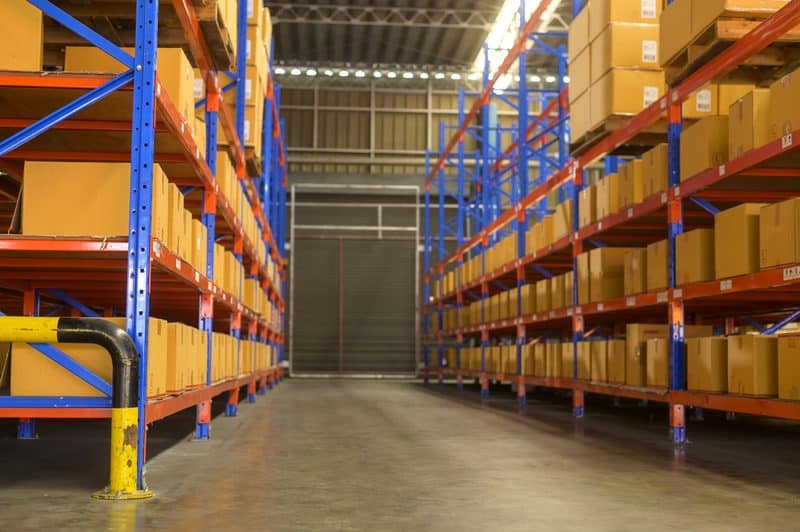
Drawn from recurring issues identified across storage, logistics and industrial environments.
Racking and stock positioned against fire-resisting walls can compromise compartmentation and increase fire spread.
Pallets, deliveries and temporary storage regularly reduce the effectiveness of designated escape routes.
Charging areas established without suitable controls, separation or documented procedures.
Impact from pallet trucks, forklifts and daily operations often leaves fire doors unable to perform as intended.
Open loading areas can introduce fire spread risks and affect compartmentation arrangements.
Combustible waste, packaging materials and unmanaged storage remain common findings.
Damaged fittings, incomplete coverage and missing test records continue to appear in industrial premises.
Hot works, maintenance activities and visiting contractors often operate without sufficient fire safety controls.
Operational changes implemented over time without corresponding updates to the fire risk assessment.
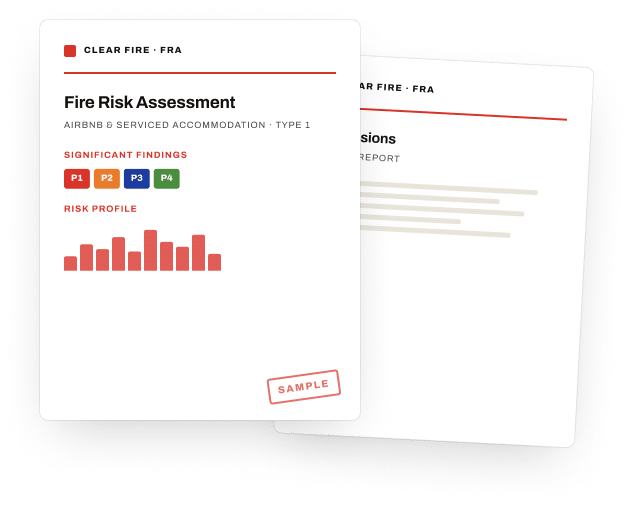
Your assessment arrives as a signed PDF with a management summary, photographic evidence linked to every finding and a separate evidence appendix suitable for insurers, operators and property stakeholders.
Findings are prioritised using the PAS 79-1 risk matrix, helping responsible persons identify which issues require immediate attention and which can be planned around operational requirements.
Thank you for carrying out an assessment of my workplace. The advice was useful and fully implemented. Would recommend you to others.


Tell us about the site and we'll confirm scope and availability within one working hour. Kevin or Jon on site, signed report within 24 hours of invoice paid.
Jon and Kevin are happy to give you a straight answer before you book, no sales pitch, just plain advice.
Yes. Warehouses and industrial premises must have a suitable and sufficient fire risk assessment under the Regulatory Reform (Fire Safety) Order 2005.
Yes. Charging arrangements, separation, housekeeping and associated fire risks form part of the assessment where applicable.
Assessments should be reviewed regularly and whenever storage arrangements, occupancy, processes or building layouts change.
Yes. Storage configurations, stock heights and their impact on escape routes, compartmentation and fire safety measures are reviewed.
Storage practices, housekeeping standards, charging areas, fire door defects, blocked escape routes and operational changes are among the most common findings.
Frequently. Insurers often request evidence of fire risk management and may review assessments following claims, renewals or site inspections.
Yes. Assessments are suitable for warehouses, workshops, manufacturing environments and many light industrial premises.
Findings are documented, prioritised and accompanied by recommendations that help responsible persons plan corrective action.
Tell us about your site. We'll respond within one working hour during business hours.