Fire safety in a care home is rarely about getting people out quickly. It is about protecting vulnerable residents, supporting staff and managing evacuation safely when mobility, cognition or medical needs affect decision-making.
Many fire risk assessments focus heavily on the premises. In care homes, people matter just as much.
Resident dependency levels, staffing arrangements, evacuation strategies and day-to-day care routines all influence how fire safety should be managed. A building that appears compliant on paper can still present significant challenges during an emergency.
ClearFire assesses care homes in the context of the people living and working within them. Fire safety measures, evacuation arrangements and management procedures are reviewed together to provide a realistic picture of risk.
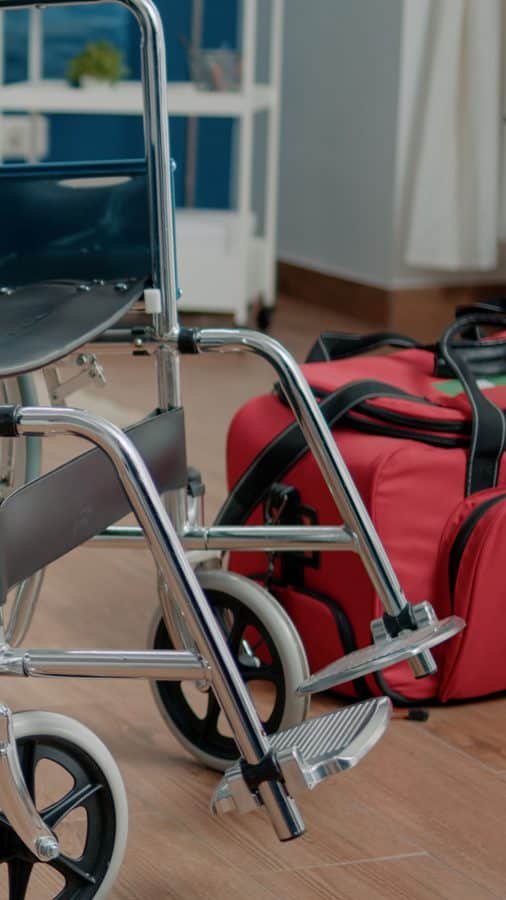
Drawn from recurring issues identified across residential care settings, supported living environments and specialist care facilities.
Personal Emergency Evacuation Plans not reviewed following changes in resident mobility, cognition or medical requirements.
Evacuation strategies relying on staffing numbers that differ significantly between day and night shifts.
Fire doors damaged, altered or unable to perform as intended in resident accommodation areas.
Evacuation aids present on site but not inspected, maintained or readily available when needed.
Service penetrations, maintenance works and alterations compromising fire-resisting construction.
Training completed inconsistently or refresher schedules not maintained for all care staff.
Detection arrangements no longer reflecting changes to occupancy, room use or care requirements.
Storage arrangements creating additional fire safety considerations that have not been formally reviewed.
Drills completed without reflecting the realities of resident dependency or progressive evacuation procedures.
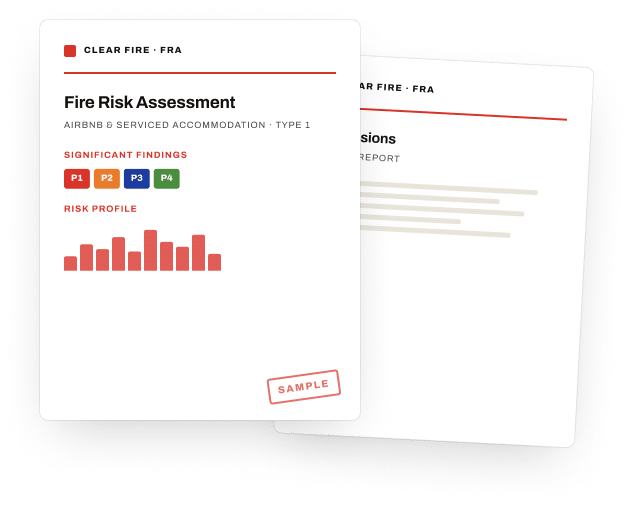
Your assessment arrives as a signed PDF with a management summary, photographic evidence linked to every finding and a separate evidence appendix suitable for care providers, regulators and insurers.
Actions are prioritised to help managers focus on the issues most likely to affect resident safety, evacuation capability and ongoing compliance obligations.
Superb service from beginning to end. Mr Bonnar is very experienced and knowledgeable, and solution-focused.


Tell us about the home and we'll confirm scope and availability within one working hour. Kevin or Jon on site, signed report within 24 hours of invoice paid.
If you're unsure what applies to your residents, building or evacuation arrangements, speak directly with the assessors who carry out the work. You'll get practical guidance based on the care environment you manage.
Yes. Care homes must have a suitable and sufficient fire risk assessment that reflects both the premises and the needs of residents.
Yes. Mobility, cognition, dependency levels and evacuation capability are important factors when assessing risk.
Progressive horizontal evacuation involves moving residents away from danger into adjoining protected compartments rather than immediately evacuating the entire building.
Yes. Existing PEEPs and the processes used to maintain them form an important part of the assessment.
Outdated PEEPs, compartmentation defects, staffing assumptions and fire door issues are among the most common findings.
Yes. Staffing levels and evacuation capability during different shifts are considered where relevant.
The assessment provides documented evidence that fire safety risks have been reviewed and managed appropriately.
Reviews should take place whenever significant changes occur and as part of ongoing fire safety management.
Tell us about your site. We'll respond within one working hour during business hours.